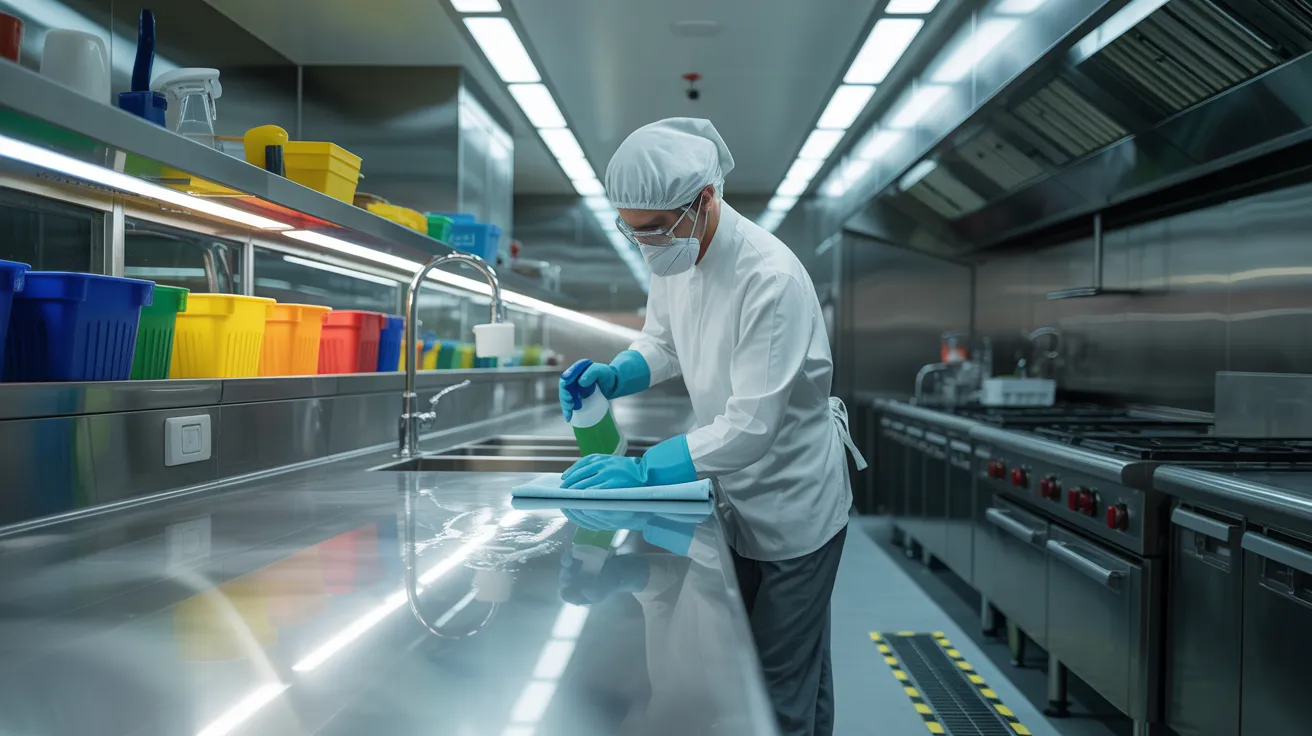
Brampton food hygiene and commercial cleaning experts help you keep restaurants, food distribution centers, baking facilities, warehouses, and food service vehicles sanitized to standards. They disinfect high-touch points, food preparation areas, equipment, floors, drains, restrooms, and food prep areas using certified sanitizers, proper concentration, and documented contact times. in maintaining dining venues, commissaries, bakeries, warehouses, and food service units to code. They disinfect high-touch points, food preparation zones, equipment, floors, drains, restrooms, and food handling zones using certified sanitizers, proper dilution, and documented exposure durations.
Important Highlights
- Brampton food safety cleaning experts maintain restaurants, grocery departments, commissaries, warehouses, bakeries, schools, mobile vendors, and allergen-sensitive operations.
- Compartmentalized approaches disinfect frequently contacted areas, food-contact equipment, kitchens, floors, drains, restrooms, and storage areas for eliminating cross-contamination.
- Approved sanitizer dilution, alignment, and exposure duration are verified by approved specialists, with finishing recorded via checks, inspections, and correction logs.
- Hygiene plans ought to adhere to danger, output capacity, format changes, incidents, and guidelines, with everyday, periodic, and periodic tasks allocated by area.
- Protection, color-coded instruments, HACCP, health regulatory competency, WHMIS instruction, testimonials, and assessment-ready hygiene records are important contractor qualifications.
Which Brampton Venues Need Food Safety Cleaning?
Brampton facilities that process, store, prepare, package, or distribute food require sanitation protocols. Implement it if your operation is covered by health department oversight, food standards, or HACCP systems. The rule covers dining establishments, employee cafes, food distributors, market sections, meat shops, fish counters, local shops, and commercial kitchens.
You also need proper hygiene cleaning in distribution centers, food processing plants, freezer facilities, commercial bakeries, educational nutrition programs, event spaces, and catering hubs. Temporary and mobile establishments count too, including food trucks, event vendors, and temporary booths. If your staff handle ingredients, section prepared foods, heat finished items, or keep allergens stored, your facility needs established sanitation documentation. In Brampton, sanitation isn't elective; it's part of statutory, business, and public health compliance.
What Do Brampton Cleaning Experts Clean?
You require experienced cleaning professionals who disinfect high-touch surfaces, cooking areas, flooring, and restroom facilities to ensure compliance with food safety and health standards. These locations are prioritized due to their high cross-contamination potential, falling hazards, and health code violations.
If you comprehend their cleaning services, you'll successfully ensure your facility meets required operational and regulatory standards.
High-Touch Surface Disinfection
Brampton cleaning experts stress high-touch surface disinfection because these common areas can transfer harmful microorganisms and food particles throughout a location. You should establish a written protocol for sterilizing entry points, contact surfaces, control panels, railings, shared devices, registers, and cold storage handles. Using contact point analysis, experts pinpoint every high-traffic zone and establish cleaning frequency
sample analysis to confirm cleaning results
Cooking Zones, Walking Surfaces, and Restroom Environments
Expect Brampton cleaning experts to target kitchens, floors, and restrooms because each area carries unique food safety, slip-and-fall, and public health risks. In industrial kitchens, you need grease removal from cooking stations, appliance surfaces, drain systems, preparation areas, and backsplashes to minimize contamination and pest pressure.
Floor care that is recorded should equally be anticipated. Technicians clean and remove buildup from grout, tile, and vinyl flooring, then apply correct drying techniques so you can limit falls and maintain code-compliant conditions. They also address entryways where moisture and debris migrate indoors.
In restrooms, cleaners disinfect touchpoints, fixtures, partitions, dispensers, and waste containers then restock supplies and control odours. They also service restaurant moprooms, where chemical storage, sink hygiene, and drainage conditions can affect sanitation compliance and staff safety daily.
How Food Safety Cleaning Benefits Brampton Operations
To adhere to health code requirements and pass inspections, Brampton establishments must maintain food-safe cleaning standards. You also minimize cross-contamination by cleaning and sanitizing food-contact surfaces, equipment, and high-touch areas correctly. Most importantly, you safeguard community wellness by reducing the chance of food poisoning in your establishment.
Regulatory Code Requirements
Brampton food establishments must comply with rigorous sanitary regulations, so hygiene maintenance is critical to adhering to health codes, safeguarding customers, and eliminating penalties. You must maintain sanitized food contact points, recorded sanitation plans, proper chemical use, and verifiable staff procedures that correspond to municipal and provincial inspection expectations.
Quality sanitation practices assists in preventing allergen issues by decreasing particles buildup on mutual appliances and frequently touched surfaces.
Cross-Contamination Prevention
Meeting health code standards also depends on your capacity to stop cross-contamination during routine food preparation and sanitation. You must keep raw items away from prepared dishes, clean work areas after each use, and store chemicals away from food-contact items. Clear procedures reduce transfer risks and ensure ongoing adherence to health checks.
You should establish allergen separation to keep priority allergens from contacting common work areas, storage bins, or tools. Employ separate boards, labeled implements, and strict utensil labeling so employees avoid combining products during preparation or service. Require handwashing after handling raw meat, seafood, eggs, or allergen-containing products. Change cleaning rags frequently, and check disinfectant potency using test kits. When staff members receive training on these procedures each work period, you build a more hygienic, secure workplace that satisfies Brampton's safety standards consistently.
Community Health Safety
Should cleaning standards collapse, you don't simply risk a failed inspection—you increase the potential of contamination-related sickness harming customers, staff, and the wider Brampton population. You also weaken your role in protecting public health, especially in high-traffic food premises where contamination can spread quickly through surfaces, equipment, and touchpoints.
You require cleaning procedures that remove contaminants, sanitize properly, and confirm effectiveness. This involves adhering to contact periods, utilizing approved disinfectants, logging schedules, and training employees to satisfy health-unit expectations. These controls promote disease prevention by decreasing microbes before contaminating food or surfaces. Across Brampton, strong cleaning safeguards vulnerable groups, limits outbreak risk, and demonstrates accountability. When you follow standards, you go beyond requirements—you meaningfully reduce risk and facilitate secure food handling city-wide.
In What Ways Does Cleaning Help Achieve Food Safety Compliance?
Rigorous cleaning routines strengthen food safety compliance by reducing contamination risks, controlling pathogen growth, and maintaining your facility's adherence to sanitation requirements under HACCP-based programs and public health regulations. You confirm that product-contact areas stay visibly clean and microbiologically controlled, supporting documented preventive controls and inspection readiness.
Cleaning programs additionally bolster allergen mitigation by extracting residues that can provoke undeclared allergen exposure.
When Do You Schedule Commercial Cleaning?
maintenance activities.
daily routines
Finding Quality Brampton Cleaning Experts: A Guide
Screen providers initially by their food-safe sanitation requirements—not budget alone. You need to verify that every company meets CFIA, public health, and HACCP-aligned expectations for your operation. Demand proof of insurance, WHMIS compliance, training records, and management systems. Evaluate technician knowledge of contamination dangers, chemical safety, and documented sanitation practices.
You should also assess operational reliability and accountability. Request references from food facilities in Brampton, then examine response times, corrective-action procedures, and communication standards. Confirm the company participates in supplier audits and can present audit-ready records when regulators or third parties request evidence. Check whether equipment is maintained is performed, colour-coded tools are used appropriately, and site-specific hazards are recognized. A competent service protects regulatory adherence, product integrity, and your brand reputation.
Which components are contained in a Food Safety Cleaning Plan?
Create a documented strategy that clearly outlines every sanitation duty, guideline, and expectation prior to beginning production. You should document cleaning schedules, authorized products, mixing ratios, exposure periods, equipment, and testing procedures for each area, section, and machine. Be sure to include pre-operational inspections, corrective actions, and employee training requirements.
Your plan should also address contamination prevention, garbage management, pest control procedures, and recorded timelines for bathrooms, drainage systems, surfaces, and food-preparation zones. Detail how you'll separate raw and ready-to-eat processes, support ingredient tracking, and ensure accurate allergen labeling through validated cleaning between product changes. You should designate accountability, keep signed records, and compare results against regulatory standards, HACCP controls, and customer requirements. When gaps appear, revise procedures immediately and retrain staff.
Commonly Asked Questions
Will sanitation providers handle overnight shifts at Brampton facilities?
Yes, you can schedule cleaning services to support nighttime operations in Brampton facilities. You'll arrange nighttime cleaning around production windows, security measures, and personnel needs. Providers typically map overnight procedures to reduce disruption, maintain compliance, and record finished work. You should verify arrival timeframes, supervision, lockout procedures, and waste handling before service begins.
Can sanitation professionals manage emergency spill response?
Yes, you can find many Brampton sanitation professionals who offer hazard containment services. They manage hazardous materials, evaluate dangers, contain contamination, and start rapid decontamination to reduce exposure and avoid operational disruption. You should confirm response times, training certifications, PPE protocols, and waste management. If your facility must meet regulatory requirements, select a service that documents incidents, follows compliant standards, and enables compliance verification.
Can plant-based disinfectants be applied securely on food preparation areas?
In essence, plant-based sanitizers remain safe for surfaces contacting food provided you select solutions certified for food use that meet regulatory requirements. Validate exposure duration, dilution rates, and rinse procedures before use. Plant based formulas reduce toxic chemical contact, although you need evidence of effectiveness against specific pathogens. For maintaining residue-free areas, follow manufacturer instructions exactly and verify the cleaning agent complies with food industry regulations.
Can cleaning schedules be adjusted for production fluctuations?
Certainly, cleaning plans respond to seasonal variations successfully. Adjust intervals, staffing, disinfectants, and testing procedures to fit with production rhythms while upholding compliance standards. Reduce production interruptions by timing sanitization amid line changes, maximum output, and usage cycles. Further update written procedures, training, and environmental testing to capture seasonal hazards, emerging allergens, or increased soil loads. Periodic assessments keep your strategy current.
Do commercial cleaners educate employees on sanitation best practices?
Yes, professional cleaning services typically educate your staff on sanitation best practices. You get staff training on correct chemical application, contact times, contamination control, equipment disassembly, and record keeping. They generally follow training with HACCP, GMP, and CFIA or regional health department regulations. Many also conduct hygiene inspections to verify compliance, spot deficiencies, and reinforce corrective actions. This additional article helps you sustain uniform processes, succeed in audits, and minimize contamination hazards regularly.
Summary
When you partner with Brampton food safety and commercial cleaning specialists, you don't just tidy up—you keep your operation inspection-ready and your protocols compliant. From processing areas to kitchen spaces, every clean surface and well-kept corner helps reduce pest intrusion and prevent costly setbacks. By scheduling service at the proper frequency and following a clear cleaning plan, you safeguard staff, customers, and your reputation. In a strict regulatory setting, sanitary conditions aren't optional—they're part of doing business right.
Comments on “Brampton Workplace Sanitation”